

8 November 2026 · 8 min read
Toyota FJ40 vs Land Rover Series: two ways to build a 4x4 icon
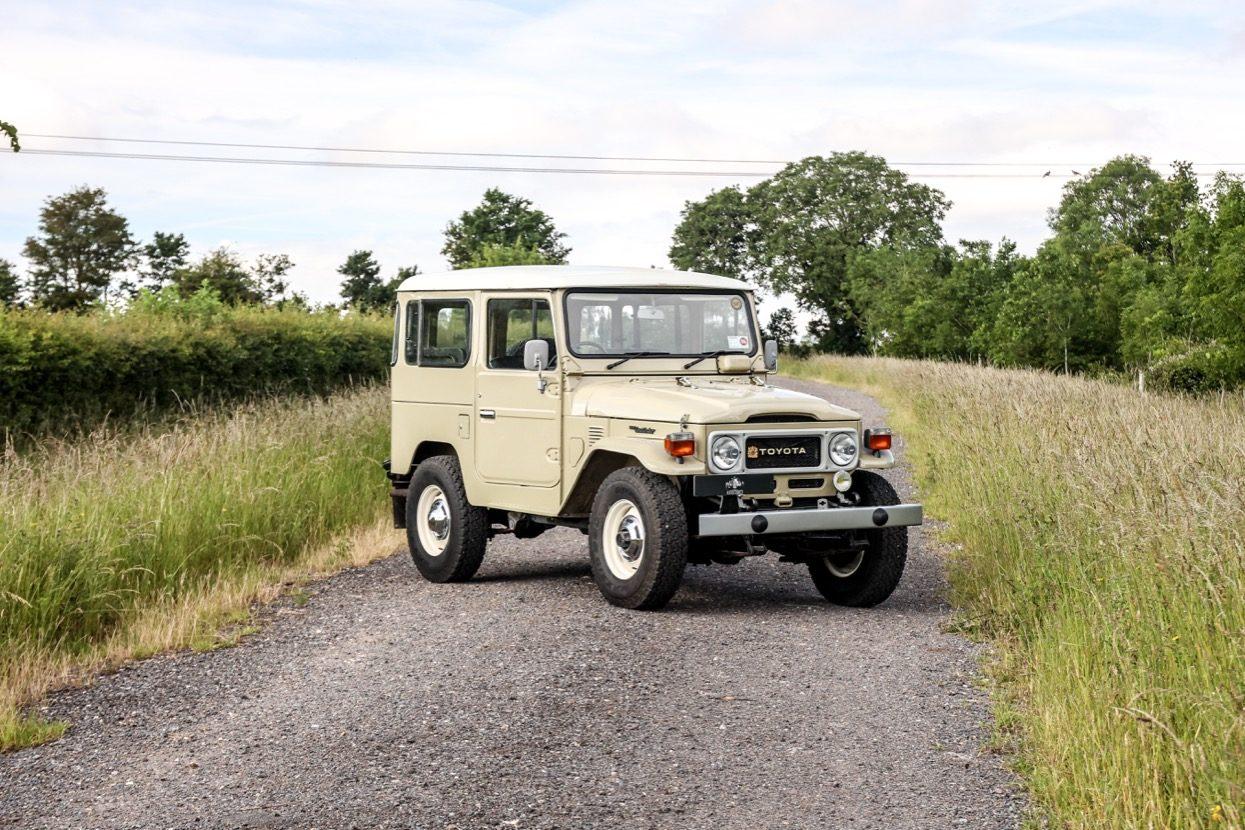
Drive a 2.25-litre Series Land Rover and a 4.2-litre Toyota Land Cruiser FJ40 back to back and the difference becomes clear on the first long hill. In the Land Rover, you're thinking about when to change down. In the Toyota, you can often leave it in gear and let the straight-six pull. Then take both down a narrow lane: the Land Rover's slim body and upright view make it easy to place, and you can see why generations of British drivers felt at home in one.
Both were built to work. Both used a separate chassis, solid axles and leaf springs. But each manufacturer spent its engineering effort in different places, and you can still feel those decisions from behind the wheel.
How did the Land Rover Series change from I to III?
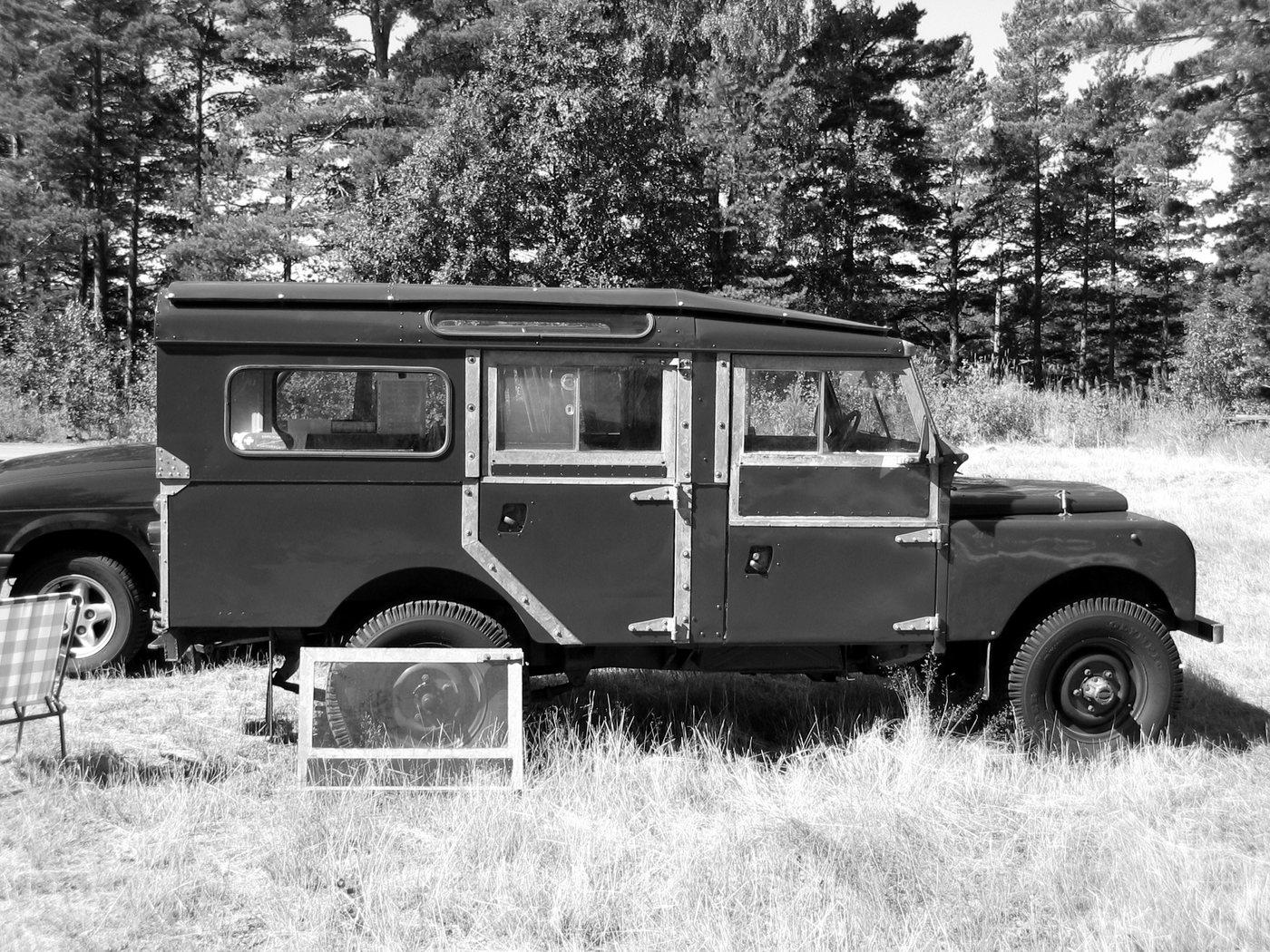
Series I, 1948 to 1958. The original Land Rover started with an 80-inch wheelbase, a 1.6-litre petrol engine and aluminium body panels over a steel chassis; later versions brought a 2.0-litre petrol engine and a choice of longer wheelbases. The short early trucks feel compact and busy over bumps, the view out is excellent with very little bodywork ahead of you, and on a fast road you soon settle into their pace.
Series II, 1958 to 1961. The familiar curved body sides arrived, along with the 2.25-litre petrol four-cylinder on most versions, and the 88-inch and 109-inch wheelbases gave buyers a choice between a compact utility and more load space. The 2.25 petrol has enough flexibility for a quiet B-road; the steering takes effort when parking, but the narrow body helps when you're threading it along a hedge-lined lane.
Series IIA, 1961 to 1971. The IIA brought a 2.25-litre diesel, a 2.6-litre petrol straight-six later joined the range on some 109s, and the headlamps moved out into the wings on later UK-market examples. A 2.25 petrol IIA rewards a steady rhythm: the standard gearbox leaves first and second without synchromesh, so a clean downshift into second takes practice, while a six-cylinder 109 is a smoother, longer-legged proposition than the familiar four-cylinder 88.
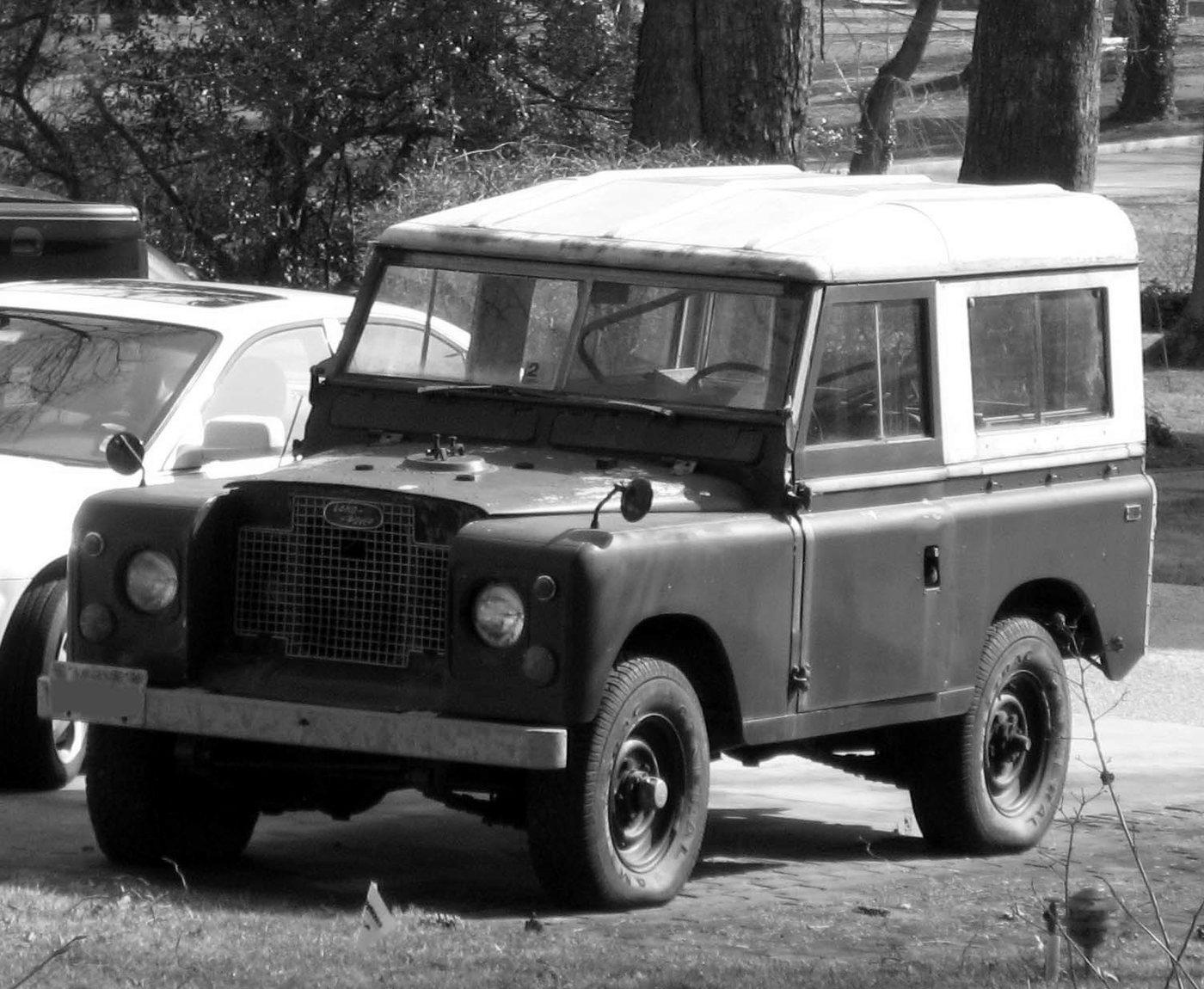
Series III, 1971 to 1985. Land Rover added synchromesh to all four forward gears, moved the instruments in front of the driver and fitted a plastic grille; from 1979 the 109-inch Stage One offered a 3.5-litre Rover V8 and permanent four-wheel drive. A standard Series III is easier to get acquainted with in traffic thanks to the gearbox, while the Stage One has a different character altogether, its V8 making it a far more relevant comparison for a late FJ40 if you care about keeping pace on an open road.
Sources: Land Rover UK model history · Land Rover Heritage Collection, Series II and IIA · Series III
How did the FJ40 change over its production run?
The FJ40 arrived in 1960, during the Series II era, and stayed part of Toyota's 40 Series throughout its life, so the most useful way to compare examples is by period and specification. The dates below are a guide. Toyota introduced changes at different times across export markets, which matters when you're looking at an imported FJ40 in the UK.
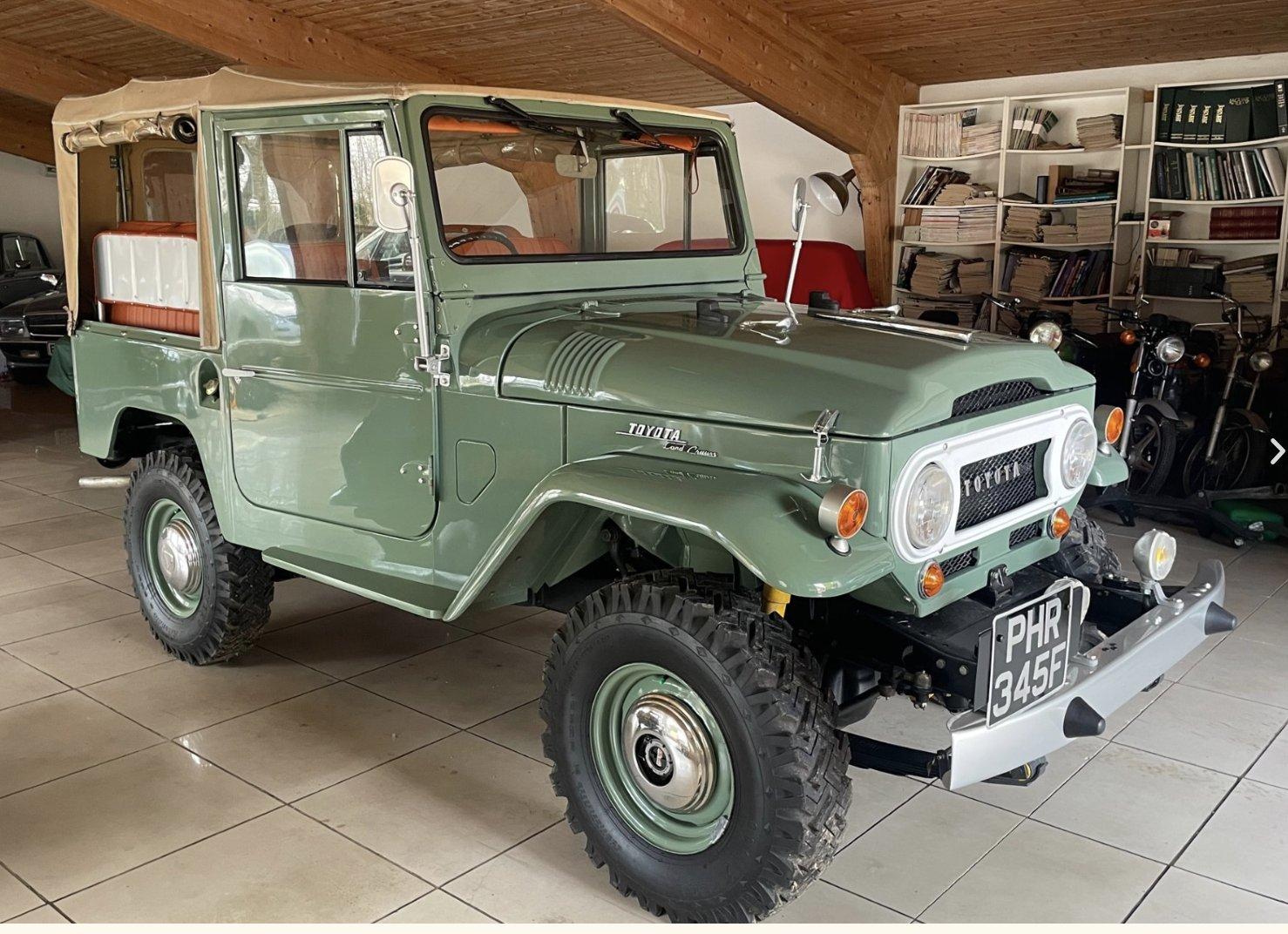
Early FJ40, 1960 to the early 1970s. Toyota paired the 3.9-litre F petrol straight-six with a low-range transfer case, and early examples typically had a three-speed manual and drum brakes. The six pulls smoothly from low revs and copes well with the gaps between the gears, but the three-speed, the unassisted steering and the drum brakes make an early FJ40 feel every bit its age.
Mid-production FJ40, mid to late 1970s. The 4.2-litre 2F replaced the F in 1975 in Toyota's US chronology, alongside the move from three to four speeds, and North American FJ40s gained front disc brakes for 1976 — always check the actual hardware on cars from other markets. The extra gear is useful on rolling roads, the 2F pulls strongly without much fuss, and front discs help the brakes stay more consistent with repeated use.
Late FJ40, around 1980 to the mid-1980s. Toyota kept the 2F and the leaf-sprung chassis while the details continued to evolve; some late examples had factory power steering, but equipment varied and many surviving cars have since been modified. A good power-assisted example takes much less effort to manoeuvre, though the short wheelbase still makes rough surfaces choppy, and a standard four-speed can sound busy at modern motorway speeds.
Sources: Toyota UK Land Cruiser history · Toyota USA model chronology · Land Cruiser Heritage Museum, 1976 FJ40
Where was the FJ40 ahead of its time?
The Toyota's strongest case is the way its engineering works together. A large, low-revving petrol six gave even an early FJ40 enough flexibility to make useful progress with three gears. By the mid-1970s, Toyota was putting a 4.2-litre six, a four-speed gearbox and front disc brakes into a short-wheelbase working 4x4 in North America. A typical short-wheelbase Series III still used a four-cylinder engine and drums. Those upgrades made a real difference on a loaded climb, on a long descent, and when the vehicle had to spend the rest of the day on the road.
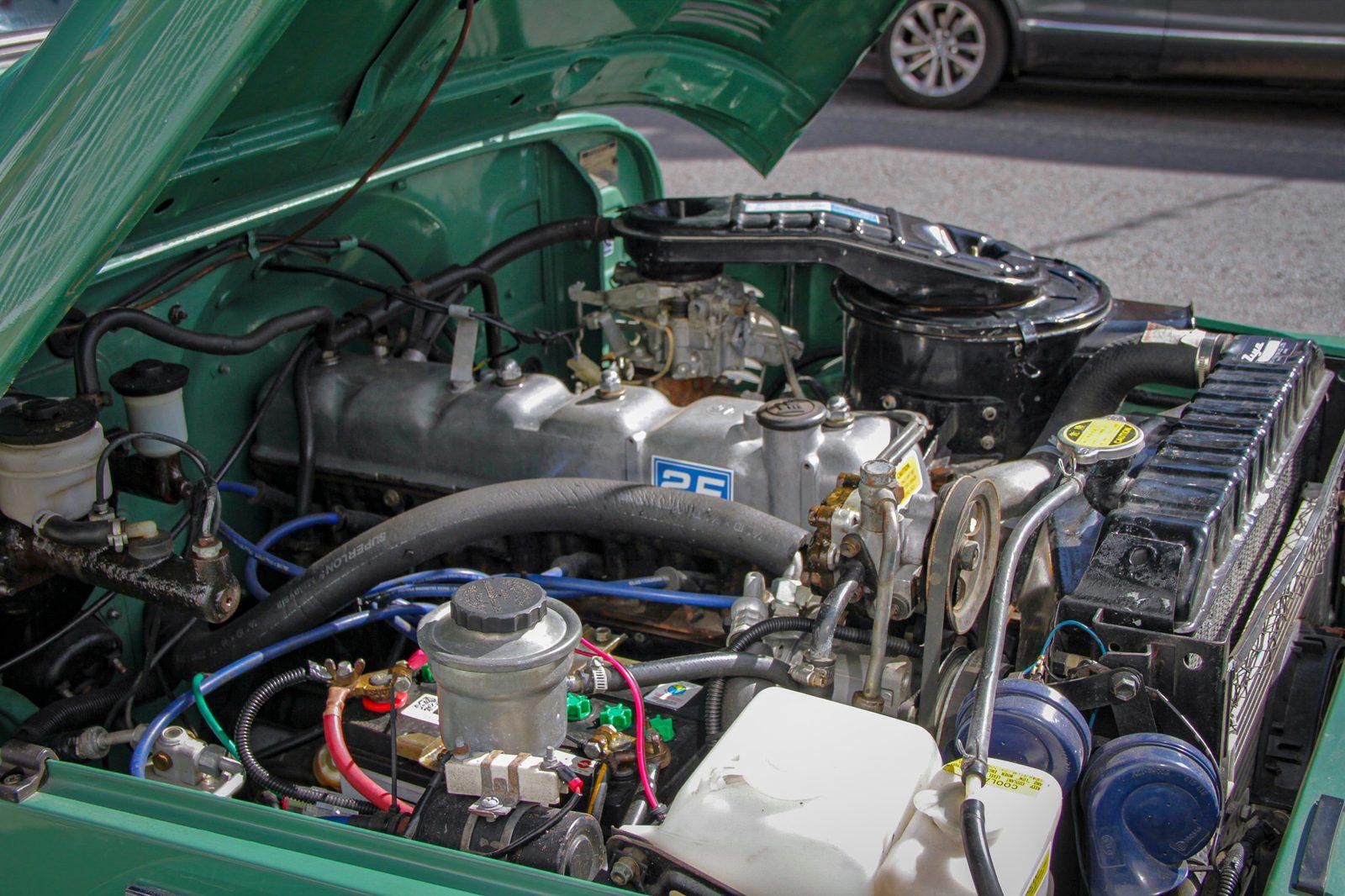
Build quality is harder to judge from a spec sheet. In a sound FJ40, the low-rev pull of the engine and the solid feel of the controls suit the job the vehicle was built for. The steel body gives a well-sorted truck a substantial feel, though it also leaves plenty of places for rust to take hold. Land Rover's aluminium outer panels and straightforward construction were clever choices for a vehicle expected to be repaired and put straight back to work. After four or five decades, a well-restored Series can feel far tighter than a worn-out FJ40. Tyres, spring condition and steering play matter more to a test drive than the badge on the bonnet.
Which is easier to live with? Parts and common faults
Where they rust. On an FJ40, the steel body is the thing to watch: the hardtop roof seam, the sills and floors, the rear body mounts and the chassis rails. On a Series Land Rover, the aluminium outer panels shrug off corrosion, but the steel underneath does not — the chassis, the bulkhead, the footwells and the door frames are where a Series rots. In other words, neither is rust-free; they simply rust in different places, and on both it is the structure beneath the skin that decides whether a car is sound. Our FJ40 buyer's guide walks through exactly where to look on a Land Cruiser.
Parts and repairs. The Series Land Rover has one of the strongest parts and specialist networks of any classic vehicle in Britain, and its simple construction means a great deal can be done at home. The FJ40 is well supported too, especially the 2F-engined cars, though some trim and market-specific details take more hunting, and the carburettors are best left to someone who knows them. Mechanically both are honest, repairable trucks; the Land Rover simply has the home advantage on the ground here.
Why does Britain talk about the FJ40 less?
In Britain, the Series Land Rover is part of the scenery. Its place on farms, estates and in the armed forces gave it a familiarity the FJ40 could hardly match here. Elsewhere, Land Cruisers earned their own following through years of hard use, and you can understand that affection from a few miles in a good one: the engine is willing from low revs, the controls are purposeful, and the truck feels ready to do the same job again tomorrow.
Toyota deserves more credit in Britain for the FJ40. Its shape is instantly recognisable, but the engineering is what gives it character. Put a Series Land Rover and an FJ40 side by side and there's room to admire both. On a long climb, with the Toyota still pulling cleanly in the gear you picked at the bottom, you get a feel for how it earned its own place in 4x4 history.
So which should you buy?
Choose the FJ40 if you want to cover ground. The big straight-six makes hills and A-roads relaxed because you can hold a gear and let it pull, a 2F car with front discs stops and cruises better than most people expect, and in the UK it still turns heads in a way a Series rarely does. It suits the buyer who wants something a little rarer here, with real on-road character, and who will keep on top of the steel body.
Choose the Series Land Rover if you value simplicity, compact size and the comfort of a huge support network. The aluminium panels resist rust, the mechanicals are famously straightforward to work on at home, the slim body is easy to place on a narrow lane or tuck into a tight garage, and parts are everywhere. It suits the buyer who wants a hands-on classic, a lower point of entry, and a community on every corner.
And the honest truth that applies to both: a well-restored, structurally sound example of either will give you far more pleasure than a tired one of the badge you thought you wanted. Buy the best car, not the best spec sheet.
If you're weighing one up, read our companion guide on what to check before buying a Toyota FJ40 in the UK, see the restored examples in our cars for sale, or talk to us about building one to your own specification through our commission process.
A note on the pictures, and on fairness: we restore and sell FJ40s, so the Land Cruisers here are our own cars, photographed in colour. The Series Land Rovers are shown deliberately in period black and white, drawn from public archives — a nod to the era both trucks come from rather than a slight. We have tried to judge both on their merits, and the verdict above means it: if a Series is the right truck for you, buy a good Series. We simply think the FJ40 has earned a place on the shortlist.