

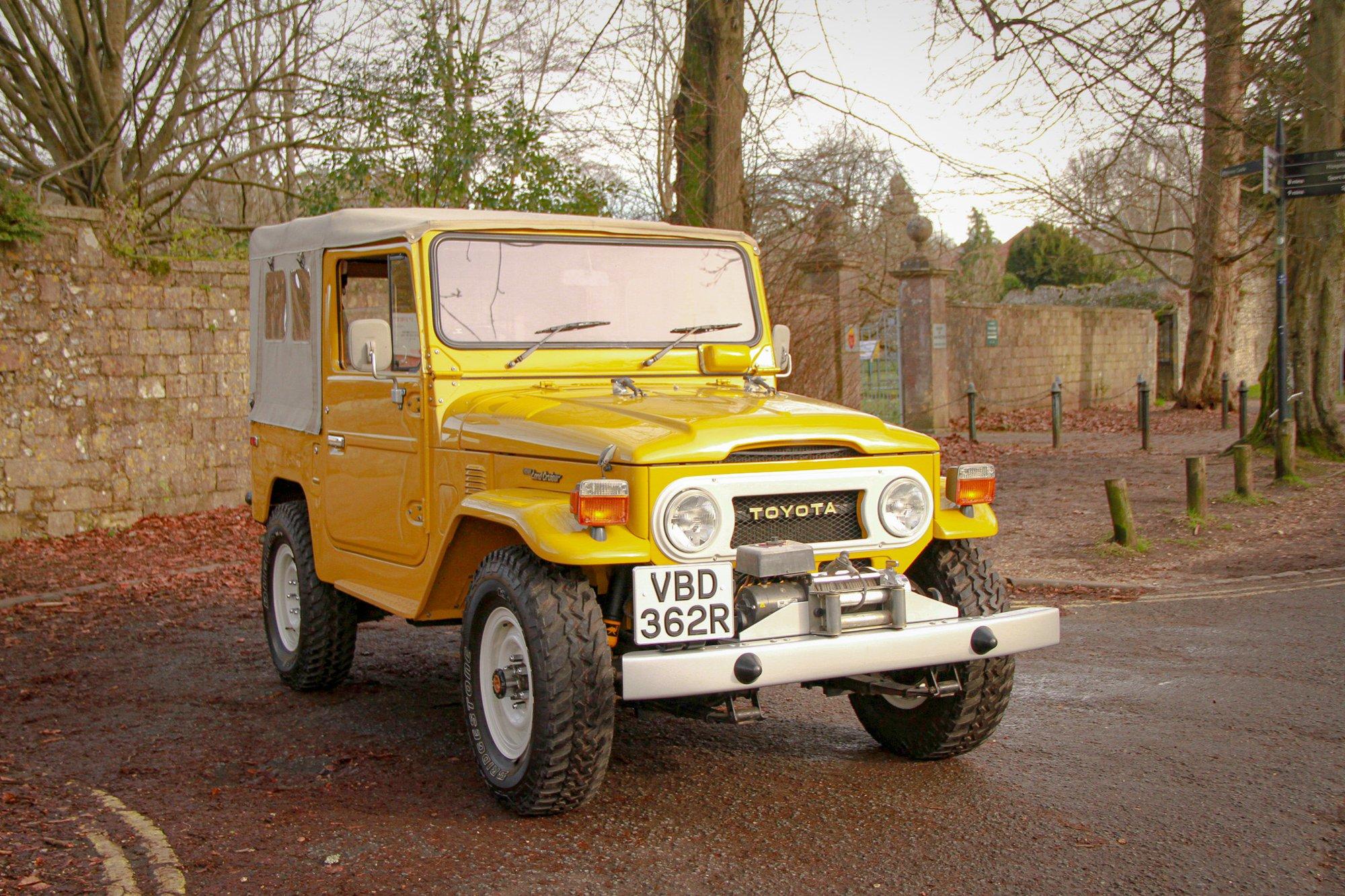
Everyone wants a Toyota FJ40 until they're lying on a cold driveway with a torch, looking up at the underside of one. That is exactly where you should be before you buy. The 40 Series is one of the most honest trucks ever built, but honesty cuts both ways: a freshly painted example can hide an expensive roof repair, or a fuel fault that only shows itself halfway up a hill.
So bring the torch, ask the seller to leave the engine cold, and begin in the two places the advert never shows you — the seam just below the roof, and the underside of the body beneath the rear doors. Then drive the Land Cruiser far enough to get it properly warm. New to the model? Our FJ40 history and background is a good place to understand where it came from and why it drives the way it does.
Where does the rust hide? Start with what the advert doesn't show
The hardtop roof gutter and upper body seam. On a factory-style hardtop, the fibreglass roof cap is riveted to a steel rain gutter. Look along that joint, where the roof meets the steel sides of the hardtop, and check the front corners above the windscreen. Bubbling paint, swelling around rivet heads, thick sealant and water staining inside are all reasons to look closer. On a canvas-top FJ40, check the windscreen frame and hood mounting points instead.
The expensive part of a hardtop repair is simply getting to the corrosion. If the gutter has rusted where it overlaps the roof cap, a proper repair can mean taking the top off, drilling out the rivets, separating the cap, repairing or replacing the steel gutter, then resealing, riveting and refinishing the assembly. A good hardtop is one of the quiet pleasures of a 40; a bad one is a bodyshop invoice waiting to happen. Ask for photographs of the joint apart if the seller says this area was restored. FJ40 roof assembly and gutter repair discussion
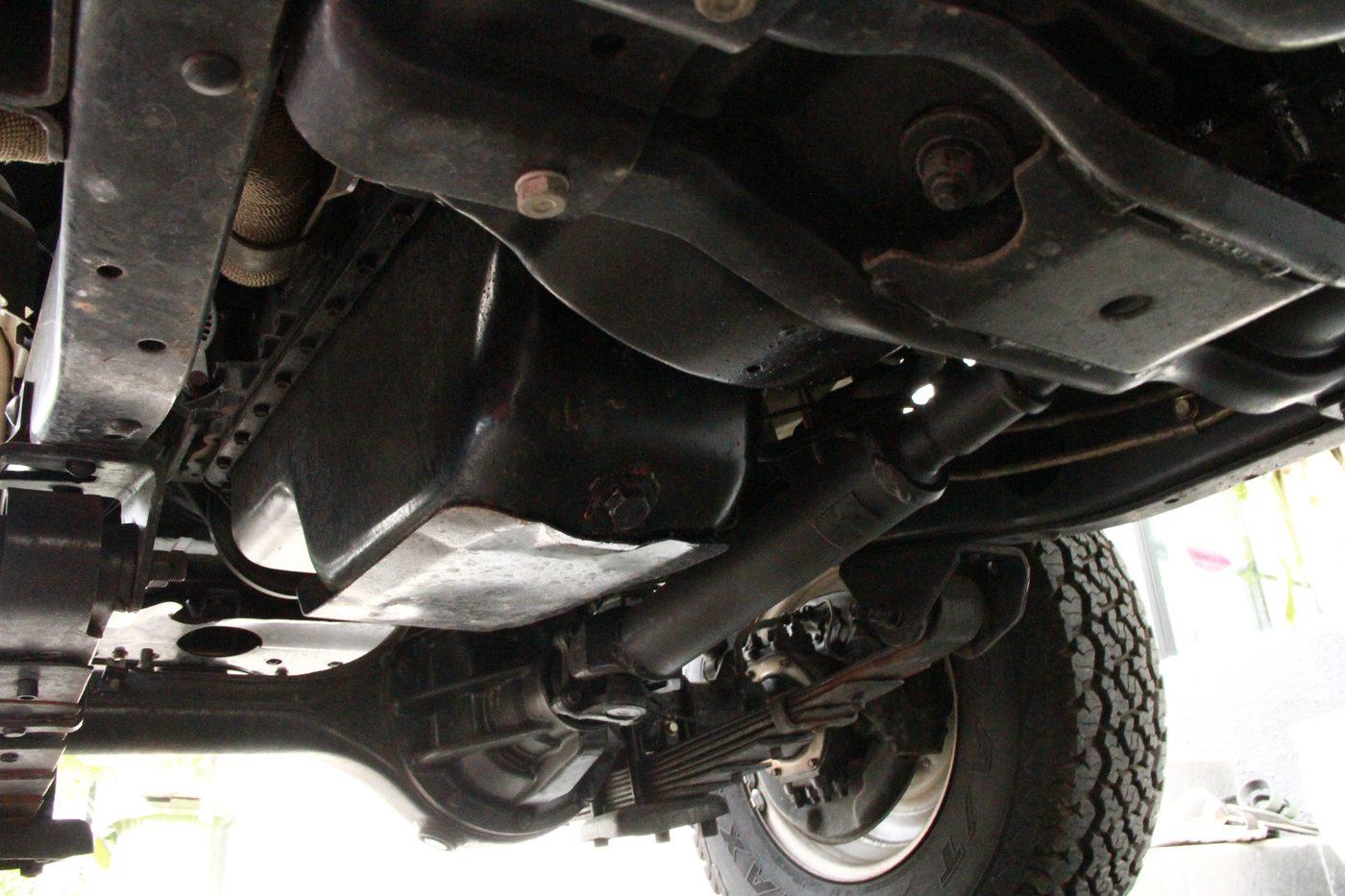
Under the ambulance doors and around the rear body mounts. If the FJ40 has the two side-hinged rear doors commonly called ambulance doors, open both and check the bottom folds of the doors. Then get below bumper height and look under the rear sill, where it joins the cargo floor and rear corners of the body. With the car on a lift, inspect the rear body mounts and the metal around them. A tidy threshold from above can conceal corrosion in the underside seam or in the layers around a mount.
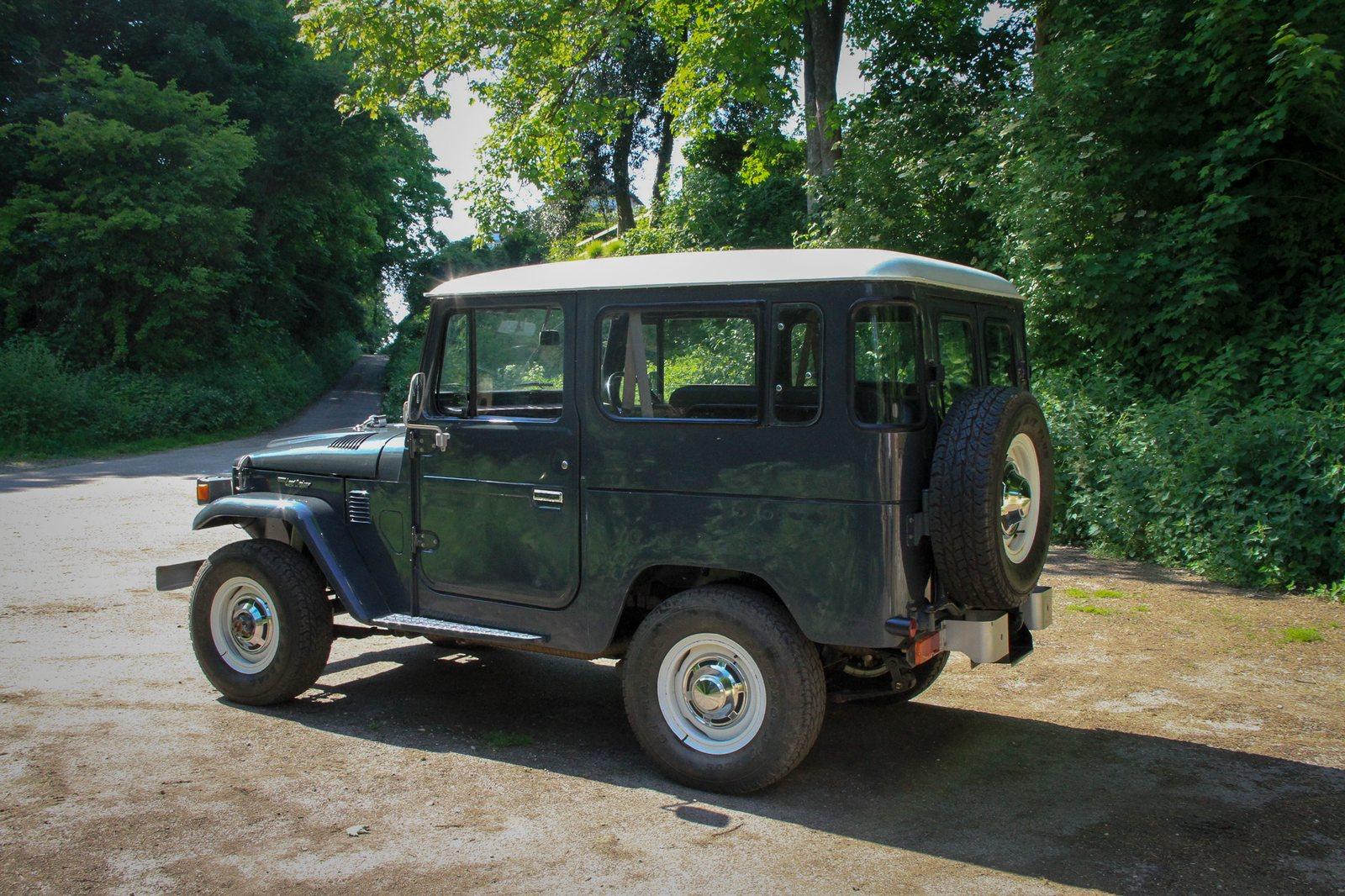
Follow the rear wheel tubs where they meet the quarter panels, then check the front footwells, the metal under the mats, the chassis rails and the spring and shackle mounts. Fresh underseal or a neat patch is a good reason to ask for photos of the bare metal and the repair before it was covered. Get a specialist's estimate for corrosion around chassis or suspension mounts before agreeing a price. Land Cruiser Nation FJ40 buyer's guide
What should you check on an imported FJ40?
A seller can be good at sourcing and shipping classic cars and still have little experience with a 40 Series Land Cruiser. Some cars arrive freshly painted with the roof seam sealed over, the original fuel tank left untouched and the front axle still due a rebuild. Ask who inspected the car before it shipped, what they found and what work was done after it landed. For a car advertised as restored, ask for dated photos before paint and invoices that show what was done to the body, chassis, brakes, fuel system and axles.
F or 2F engine? Check what's fitted and price the parts
On a 40 Series, the engine sitting in the bay matters more than the year on the logbook. Early FJ40s typically have the 3.9-litre F petrol straight-six, while later examples generally have the 4.2-litre 2F. Confirm the engine actually fitted and take a photo of the carburettor identification number if you can. Engine swaps and carburettor changes are common, and they can make the registration year a poor guide to what you need to order.
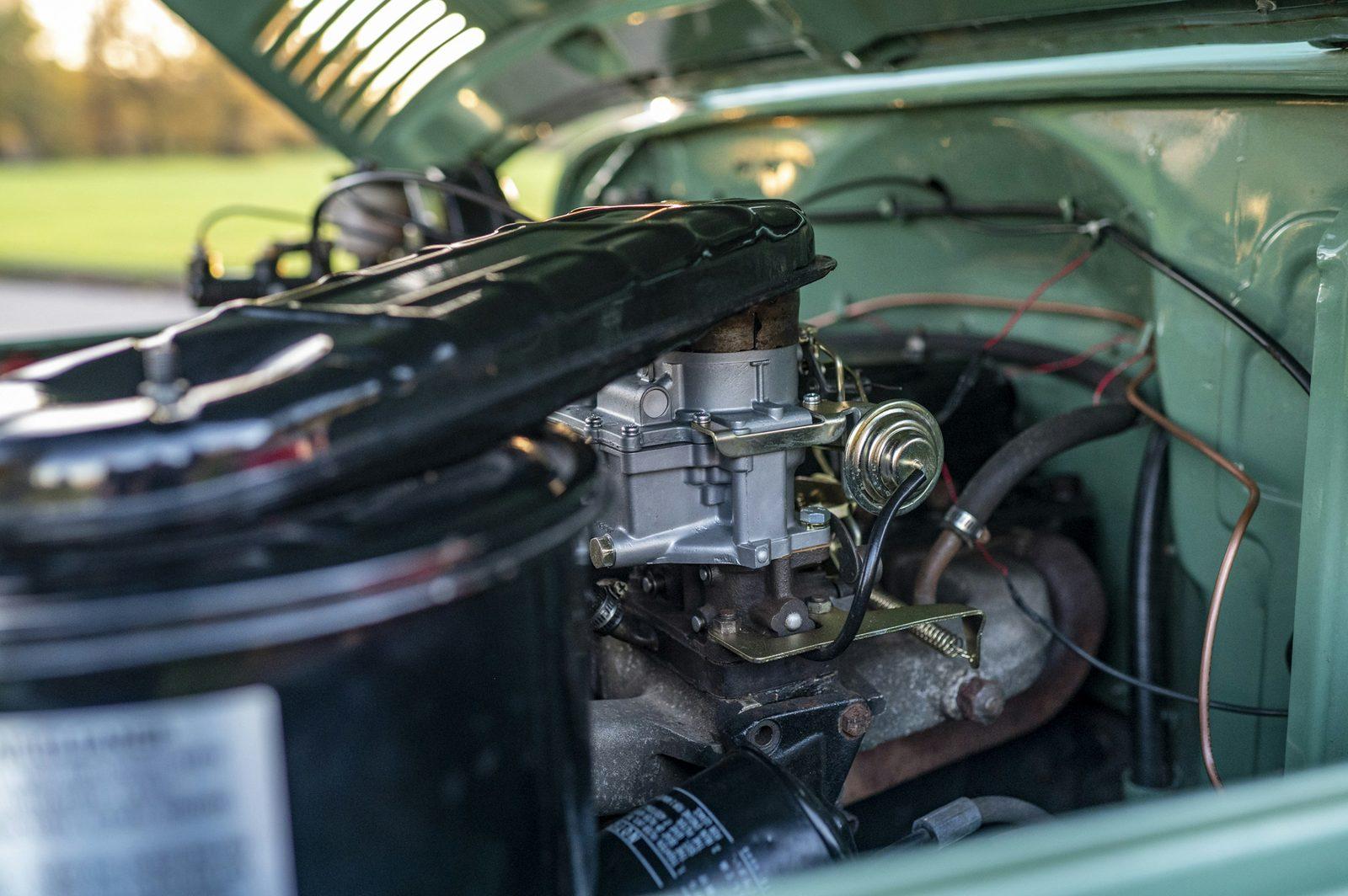
For regular use in the UK, a sound 2F is a practical choice, with rebuild kits listed for several versions of its carburettor. An early F can be a good buy too, but sourcing parts can be a bit trickier. Generally the carbs require rebuilding eventually, and not too many people can take that on in the UK.
Which mechanical faults are most common on an FJ40?
Rust inside the fuel tank. A tank can look sound from the outside and still shed rust internally. Debris can restrict the pickup or filter, or reach the carburettor. The engine may idle happily in the seller's drive but hesitate or lose power under sustained load. On a safe test drive, see how it pulls uphill once warm and whether it restarts cleanly after a short stop. Ask when the tank was last inspected internally, cleaned or replaced. Rust-coloured sediment in the filter is a clue. If the car stumbles under load, have a mechanic check fuel delivery, tank venting and ignition before pricing the repair.
Leaking front swivel hubs. With the front wheels turned, look behind each wheel at the spherical steering knuckle where it meets the axle. A thin film around the wiper can be normal. Wet trails, drips or runny grease with a strong gear-oil smell deserve attention. Gear oil can pass a failed inner axle seal and mix with the grease in the knuckle. Replacing the external wiper alone won't fix that. Ask a specialist to check the source of the leak, the differential oil level, and whether the swivel bearings or other components need replacing while the axle is apart. FJ40 front knuckle inspection and rebuild guide
What should you check on the test drive?
Cold start and warm restart. Watch for persistent blue smoke, check that the temperature settles once warm, and see whether the engine restarts after a short stop.
Second gear. Try a normal upshift and downshift. Repeated crunching or a gear that jumps out under load warrants investigation. Find out which gearbox is fitted if it has been swapped.
Steering and brakes. Look for excessive free play, wandering or pulling under braking. A lift inspection can help trace play to the steering, wheel bearings or axle components.
Four-wheel drive. Ask the seller to demonstrate the locking hubs, if fitted, and the high and low ranges on a suitable loose surface. Avoid testing part-time four-wheel drive on dry tarmac.
Right-hand drive and conversions. If right-hand drive matters to you, establish whether it left the factory that way. On a converted car, ask who did the work and have the steering and pedal installation inspected.
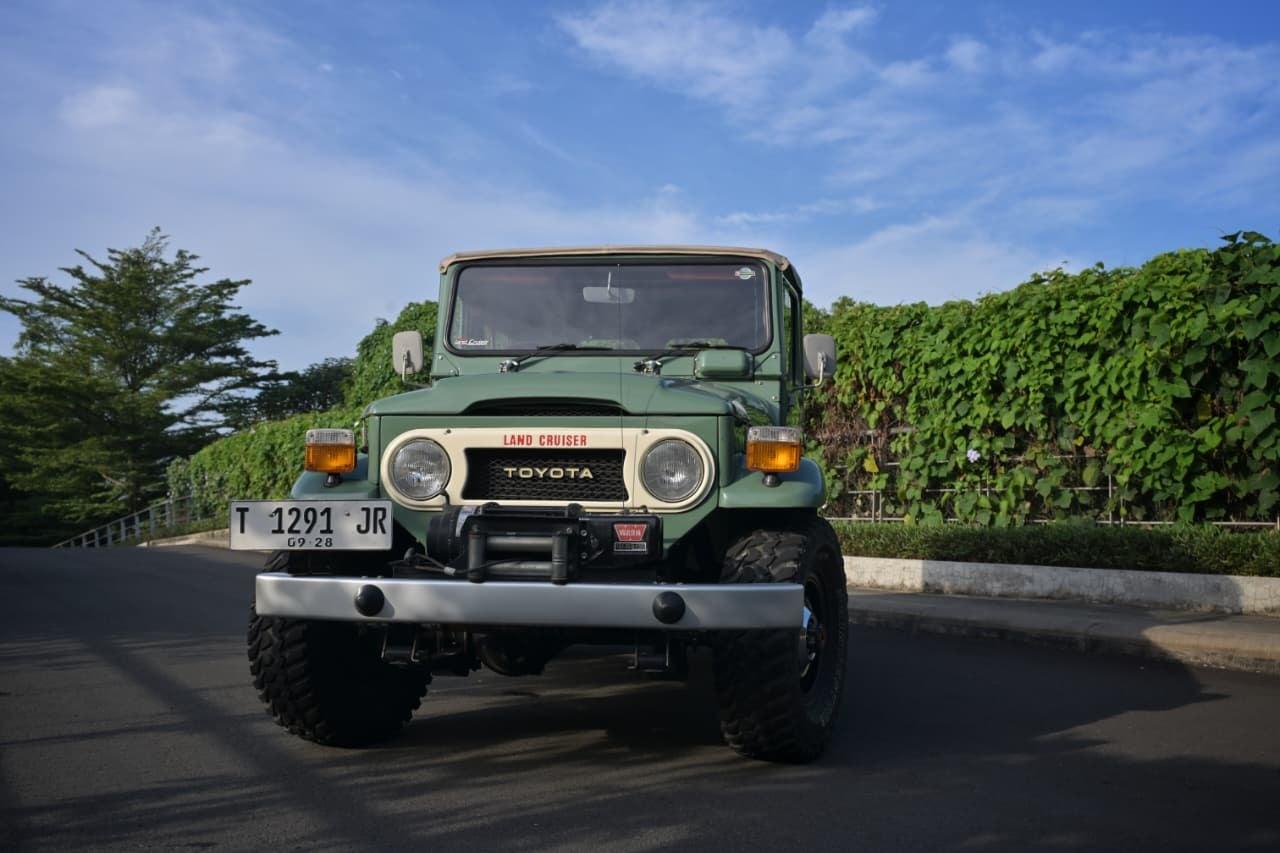
Before making an offer, get the underside on a lift and put a figure against the work the car needs. A leaking swivel can often be scoped after inspection. A swollen roof seam, or a rear sill patched over several layers of rust, can take dismantling just to establish the repair. If the price reflects a completed restoration, ask to see evidence of what's underneath. And if it has a current MOT, that's usually a good sign the seller is confident in the car. None of this is meant to put you off — a sorted FJ40 is a brilliant thing to own, and knowing where the bodies are buried is simply how you buy the right one. You can see the FJ40s we currently have in our cars for sale, or, if the right car to buy is one that doesn't exist yet, we build them to order through our commission process.